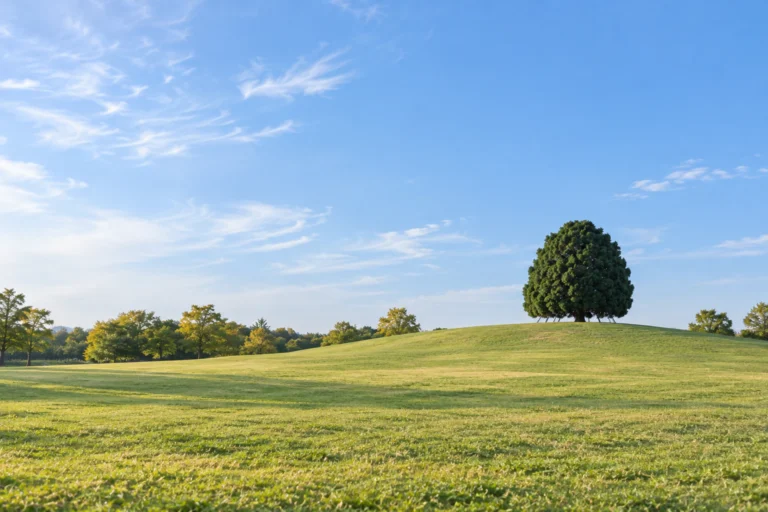
Olympic Park: A Hill with a Pavilion on Top, and a Tree on Its Own
An extra piece for “Gangnam and Songpa”.

Scenes and stories from the cast wandering Seoul’s landmarks.
An extra piece for “Gangnam and Songpa”.
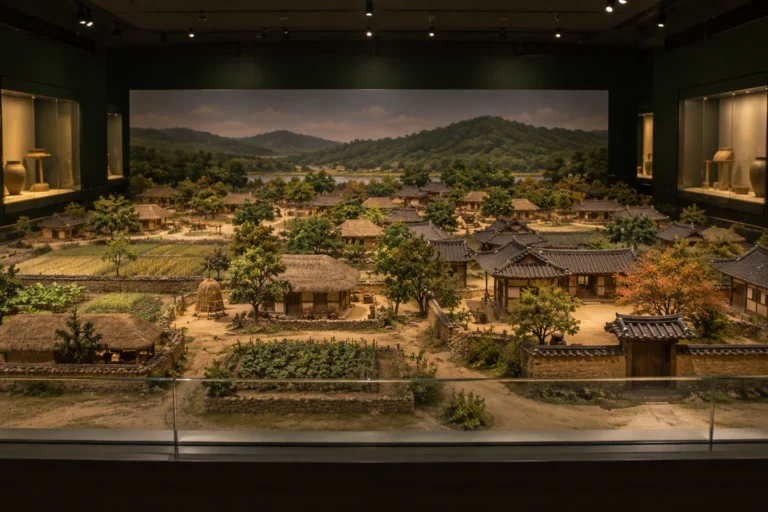
To reach the Lotte World Folk Museum, walk underground from Exit 4 of Jamsil Station (Lines 2 and 8) and take the lift to the third floor, where the entrance is.

A new piece for the Han River issue.
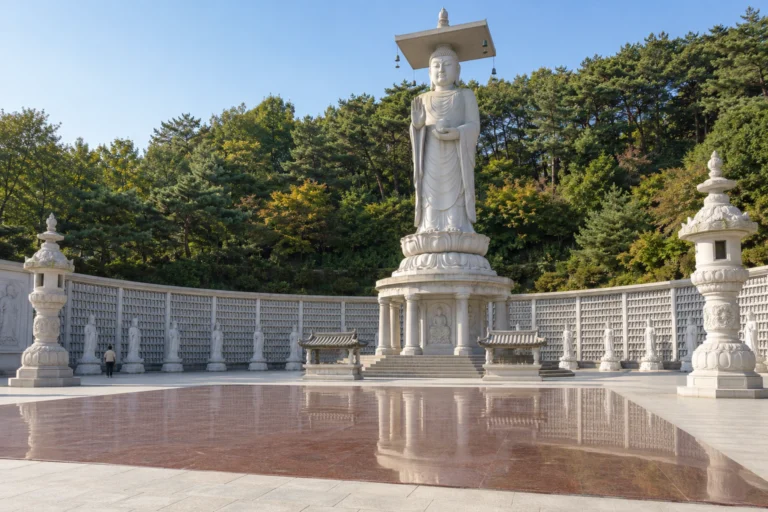
A new piece for “Gangnam and Songpa.” Bongeunsa’s website says its Maitreya Buddha was vowed in 1986 and completed in 1996 after ten years of work, and stands 23 m tall. Rina, who likes to go back to places, returns in the morning and walks on to the plaza deep in the grounds that she missed the first time.
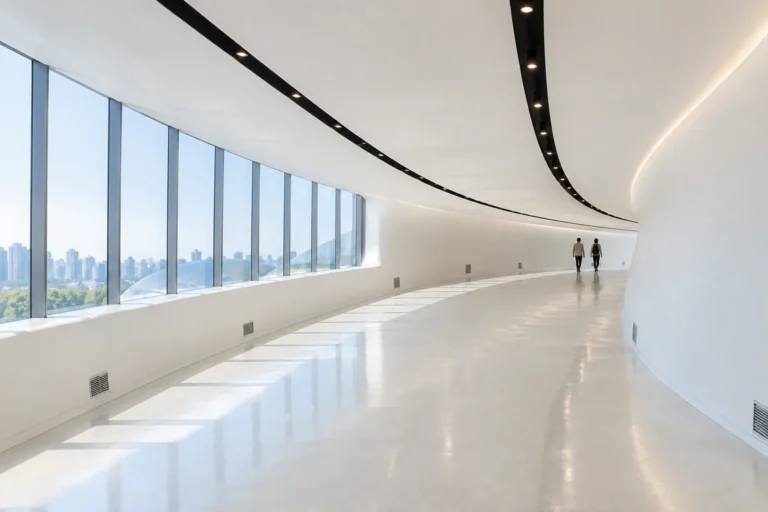
An added piece for “Jongno & Dongdaemun”.
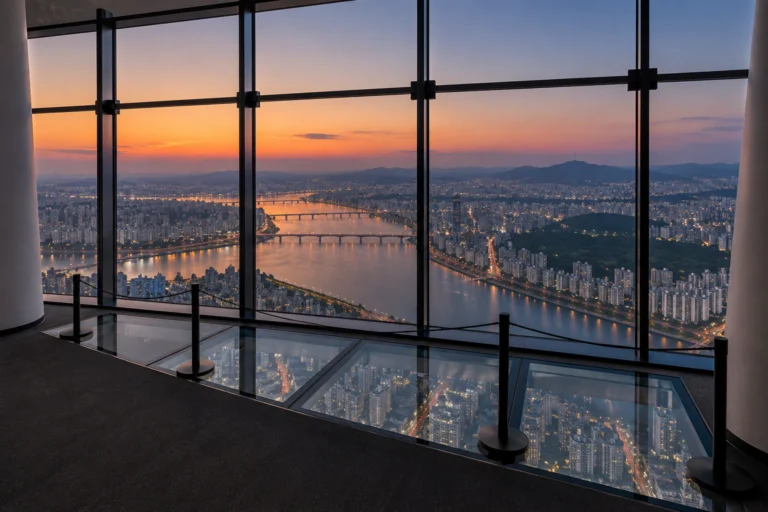
A new piece for Gangnam and Songpa.

A new piece for the Gwanghwamun issue.
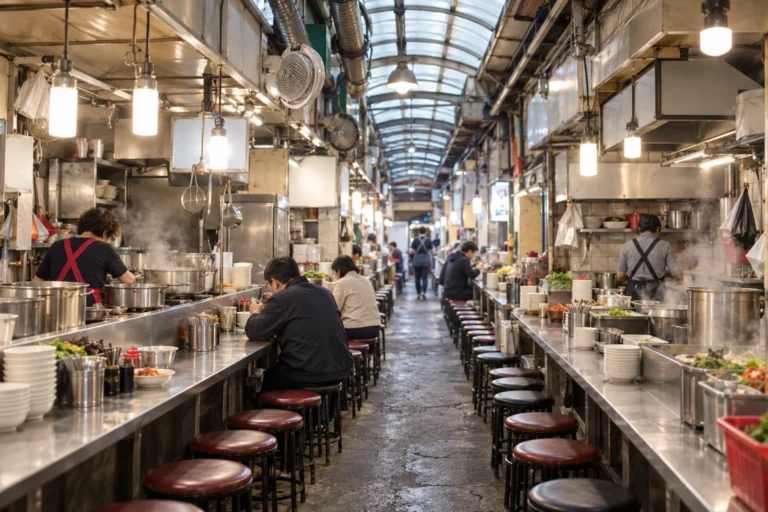
An added piece in the Namdaemun and Myeongdong issue.

An added piece in “Changdeokgung, Changgyeonggung and Jongmyo.” The Royal Palaces and Tombs Center notes that, unlike the other palaces, which face south, Changgyeonggung has its main gate and throne hall facing east, and it describes Myeongjeongjeon as the oldest throne hall in the palaces today. Maya, who saw a double roof at Gyeongbokgung, goes in through the east-facing gate in the morning and walks to a throne hall with a single roof. Changgyeonggung is closed on Mondays.

A new piece for “Jongno & Dongdaemun.” Say Gwangjang Market and most people picture steam rising from the food stalls. Yet the shop-leasing notice on the market’s own website lists bedding and fabric on the first floor and hanbok, traditional cloth, fabric and bedding on the second, and Jongno-gu Office describes it as a market for textiles, cloth, hanbok and bedding. Elena, who reads places as scenes, goes looking for the fabric, hanbok and bedding shops beyond the Food Alley — and reads the colours of cloth folded on their shelves.

An added piece in the Gwanghwamun issue.

A new piece for “Changdeokgung, Changgyeonggung and Jongmyo.” Yeongnyeongjeon is a separate shrine built in 1421 to the northwest of Jeongjeon, and only its middle four bays have a raised roof. The Royal Palaces and Tombs Center’s opening-hours page (checked 1 October 2026) lists Saturdays, Sundays, public holidays and Wednesdays as open-entry days. Rina once followed a guide, saw Jeongjeon and left; this time she walks the official route on her own, all the way to the second shrine in the trees.