
SEOUL · CITY HALL
18:00 and 21:00: Hina counts back from closing time at Seoul Metropolitan Library
The old Seoul City Hall by City Hall Station Exit 5 — how to see each floor without a library card, and why a weekday evening works well
On the afternoon before her show, Hina has until 9 pm. But at Seoul Metropolitan Library, each room closes at a different time. As always, Hina starts with the room that closes first and counts backwards.
How to get there
On the afternoon of Wednesday 18 November, Hina has just arrived in Seoul. She is twenty-one and promotes shows for a marketing company in Tokyo. About twice a month, she comes to Seoul for shows and merchandise. Only a little over two weeks have passed since her walk around Seoul Children’s Grand Park on the 1st. This time, the show is tomorrow, Thursday evening. Once her small suitcase is at the accommodation, the whole afternoon and evening are free.
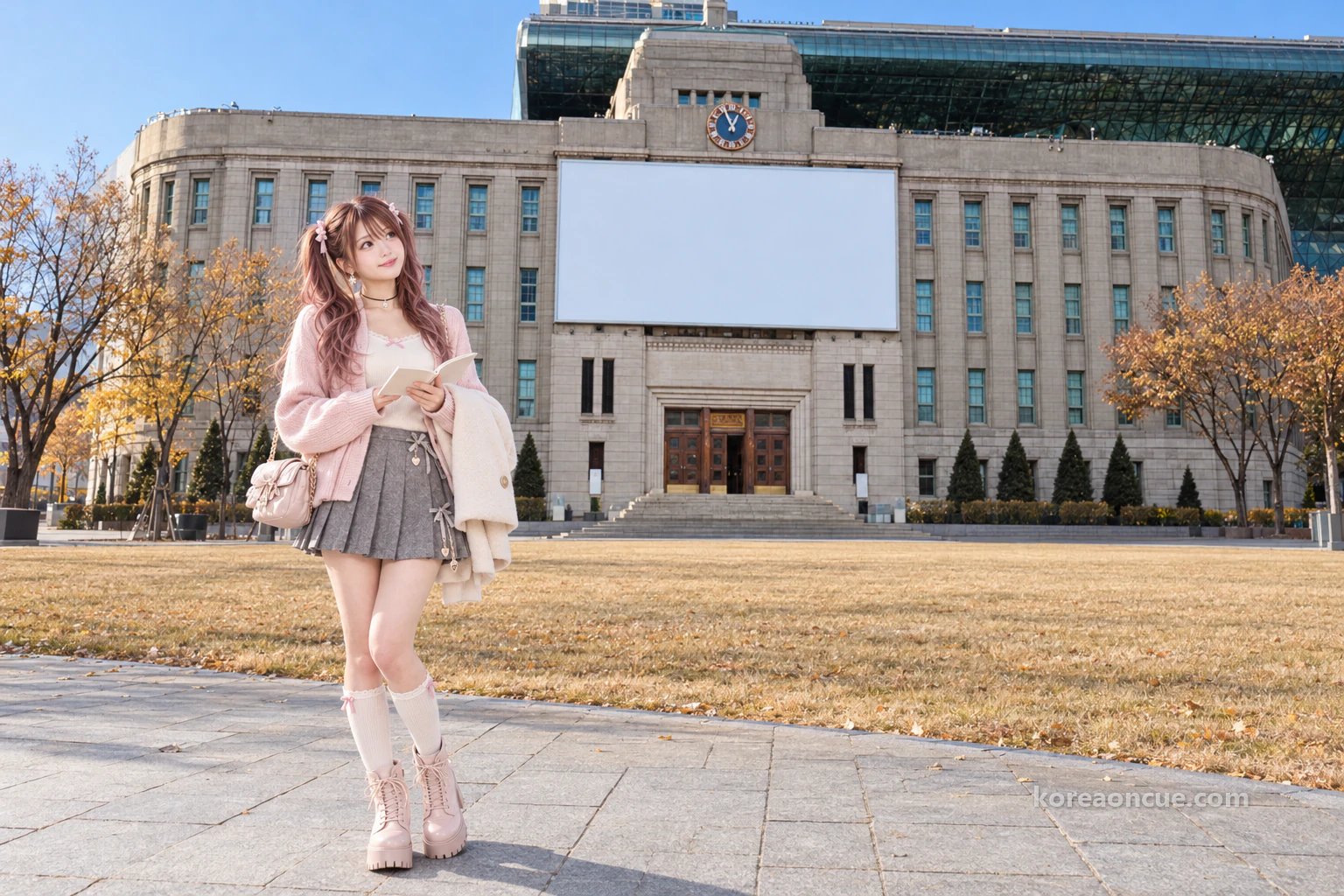
Hina chooses Seoul Metropolitan Library, right outside City Hall Station. Days are short in late autumn, so she wants a warm indoor place to stay until evening. Anyone who wants to read the library’s materials can use it. That means travellers without a library card can walk in and open a book from the shelves. The building is also the old Seoul City Hall, built in 1926, so there is plenty to see even without reading.
At her accommodation, Hina opens the opening-hours table, and her finger stops for a moment. It is one building, but the rooms close at different times. The General Collection Rooms on the 1st and 2nd floors stay open until 9 pm on weekdays. The rooms on the 3rd and 4th floors close at 6 pm. At the top of her notepad, Hina writes “18:00” and “21:00” side by side. “I always start with the showtime,” she likes to say, and today the two closing times are her showtimes.
This piece follows Hina’s Wednesday afternoon and evening. It starts with the way in from City Hall Station Exit 5. Then it covers what you can do without a library card, the rooms on each floor, and the order for visiting the 6 pm rooms first. It also covers the 1st and 2nd floors after 6 pm, Saenggakmaru with seats until 9 pm, and whether to go on a weekday evening or at the weekend. At its heart is one question: when rooms in one building close at different times, where do you start so you miss nothing?
The Cue
Seoul Metropolitan Library is the old Seoul City Hall building at 110 Sejong-daero, Jung-gu, Seoul, in front of Seoul Plaza. Use Exit 5 of City Hall Station on Lines 1 and 2. The building dates from 1926 and is Registered Cultural Heritage No. 52. It opened as a library on 26 October 2012. Anyone who wants to read the library’s materials can use it. Closing times differ from room to room. The General Collection Rooms on the 1st and 2nd floors close at 21:00 Tue–Fri and 18:00 Sat–Sun. The Former Mayor’s Office and the Seoul Collection Room on the 3rd floor, the World Collection Room on the 4th floor and the Digital Room on the 2nd floor close at 18:00 Tue–Sun. The library is closed every Monday.
- Station and exit: City Hall Station (Lines 1 and 2) Exit 5. By bus, 172, 405 or 472 to the Seoul Plaza stop (02641). By airport bus, 6005 to the City Hall · Seoul Shinmun stop (02706).
- Opening hours: General Collection Rooms 1 and 2 (1st and 2nd floors) Tue–Fri 09:00–21:00, Sat–Sun 09:00–18:00.
- Closing at 6 pm: the Former Mayor’s Office and Seoul Collection Room (3rd floor), the World Collection Room (4th floor) and the Digital Room (2nd floor) — Tue–Sun 09:00–18:00.
- Closed: every Monday, and on public holidays except Sundays. In November: the 2nd, 9th, 16th, 23rd and 30th.
- Without a library card: reading books from the shelves, free Wi-Fi “Seoul”, internet PCs on the 1st floor (30 minutes), charger loans at the 2nd-floor information desk, lockers. Loans are for members only.
- What to see: the Former Mayor’s Office (3rd floor) · the World Collection Room, with books and crafts donated by embassies and cultural centres of 60 countries (4th floor) · Saenggakmaru (1st and 2nd floors).
Which exit to use: City Hall Station Exit 5, for the old building on Seoul Plaza
For Seoul Metropolitan Library, come out of Exit 5 at City Hall Station on Lines 1 and 2. The address is 110 Sejong-daero, Jung-gu. The library is the old Seoul City Hall building on Seoul Plaza, right in front of the new City Hall. Hina takes Line 2 from near her accommodation and comes up through Exit 5 at City Hall Station. Outside the exit, her phone says half past three, and she writes the time in her notepad.
Open in Kakao Map — City Hall Station
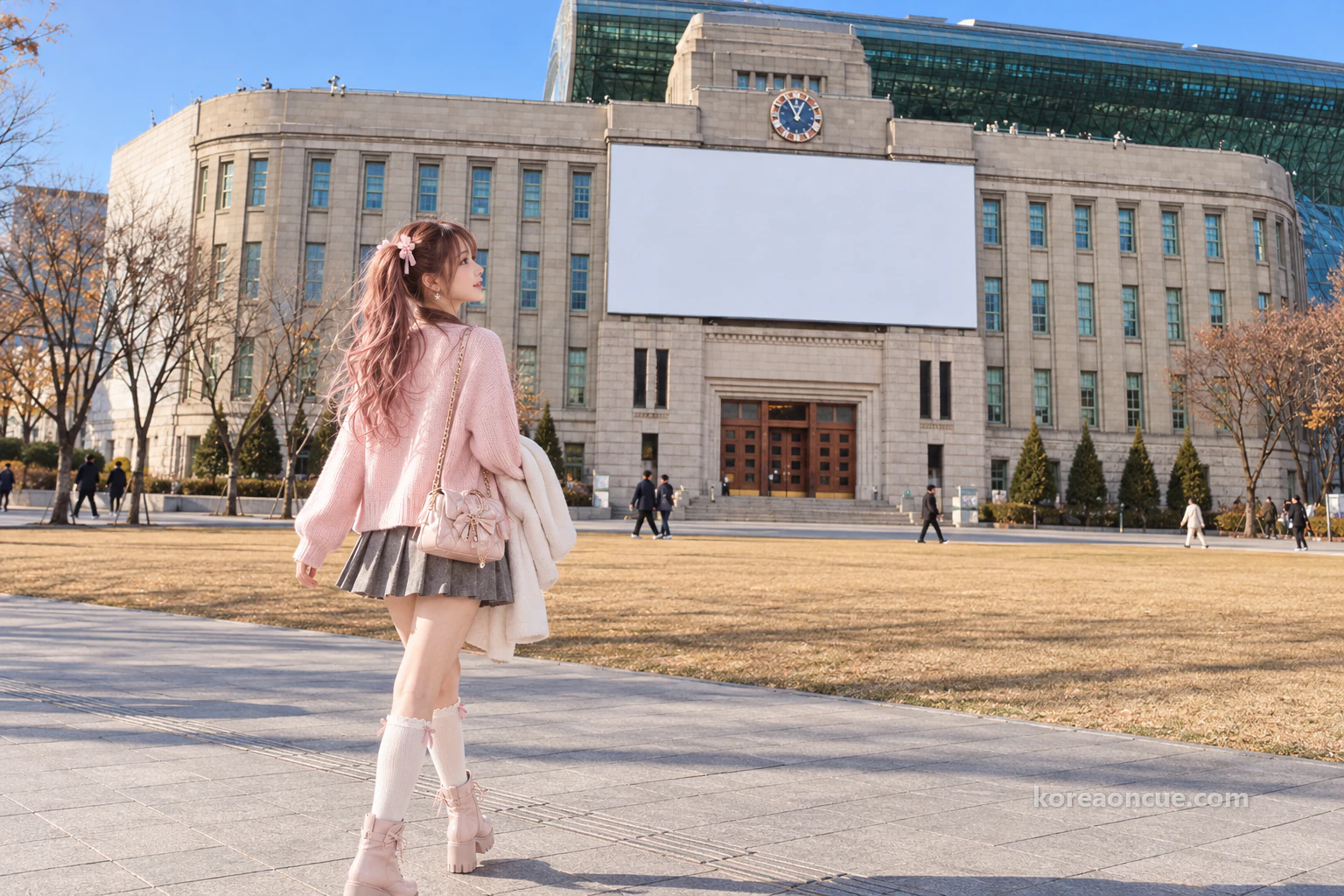
Before setting out, Hina wrote down just one exit number. More than once, she has picked the wrong exit near a venue and got lost just before a show. If you type only the station name into a map app, it sometimes draws the route from the middle of the station. So on a first visit, it helps to note “City Hall Station Exit 5” separately. The bigger the station, the more one exit number saves you from wandering.
You can also come by bus. Trunk buses 172, 405 and 472 stop at the Seoul Plaza stop (02641). Late at night, night buses N62 and N73 stop there too. Trunk buses such as 401, 402 and 406 run to the Sicheong-ap · Deoksugung stop (02286). Local buses Jongno 09 and Jongno 11 stop at the City Hall Station stop (02503). Put the stop number into your map app and you will not mix it up with stops of similar names.
If you are coming straight from the airport, the airport bus stops are close too. Airport bus 6005 stops at the City Hall · Seoul Shinmun stop (02706). Bus 6701 and night bus N6701 stop at the Euljiro 1-ga Station · Lotte Hotel stop (02639). Bus 6701 also stops at Press Center (02507) and City Hall Station · The Plaza Hotel (02699). Hina copies these numbers onto the back pages of her notepad for a future trip straight from the airport, and draws a small aeroplane beside the stop names.
It is best to leave the car behind for this library. Parking is very limited, and the library asks visitors to use public transport where possible. Parking costs 1,000 won per 10 minutes, charged only on weekdays from 09:00 to 18:00. Vehicles over 2.3 m high cannot enter the car park. Come by subway like Hina, and you need not think about parking time or fees at all.
What you can do without a library card: reading, Wi-Fi, internet PCs and lockers
Without a library card, you can still take books from the shelves and read them. Anyone who wants to read the library’s materials can use Seoul Metropolitan Library. Only some services are for members, such as loans, reservations and the closed stacks. So if you are not borrowing books, you can read freely in front of the shelves as a traveller. Hina has no plans to borrow anything either. She has come for a place to read, look around and sit.

Through the main entrance, the first thing Hina looks for is a locker. There are 53 lockers in the 1st-floor lobby and 20 in the World Collection Room on the 4th floor. Locker keys come from the information desk in the 2nd-floor corridor, not the 1st floor. The lobby lockers can be used until 21:00 on weekdays (Tue–Fri) and 18:00 at weekends. Hina sees that the locker closing time matches the “21:00” in her notepad, and draws a small key beside it.
Hina gets a key at the 2nd-floor information desk, goes back down to the 1st floor and puts her coat away. With her hands free, her steps feel lighter too. Today she plans to go up and down the stairs many times, from the top floor down. Leaving bulky things like a coat on the 1st floor as soon as you arrive makes the upper floors easier. Just remember that you need to go up to the 2nd floor once for the key.
Your phone can connect to free Wi-Fi anywhere in the library. Choose “Seoul” in your Wi-Fi settings. If your battery is low, ask for a charger loan at the 2nd-floor information desk. There are two internet PCs in the 1st-floor lobby, and anyone can use them for 30 minutes without signing up. Hina needs her ticket on screen for tomorrow’s show, so the charger loan is the most welcome line of all.
If you need papers while travelling, you can copy and print here too. Copies cost 50 won for A4 and 70 won for B4, and printing costs 50 won for A4. Scanning is free. You pay for copies and prints by credit card or with a T-money transport card. Hina thinks for a moment about printing tomorrow’s route to the venue on a sheet of A4. Then she decides a route drawn by hand stays in her head longer, and opens her notepad instead.
What is on each floor: the 1st to the 4th, with closing times
Look at the floor guide first, and each floor of Seoul Metropolitan Library has quite a different character. The 1st floor has General Collection Room 1, with a children’s corner inside it. The Lab, a space for book culture, is on the 1st floor too, with the Disability Room, a nursing room and children’s toilets. The 2nd floor has General Collection Room 2, the Digital Room and a periodicals corner. Membership registration and the central information desk are on the 2nd floor as well.
The 3rd floor has the Seoul Collection Room, the Seoul Archives Culture Hall and the Former Mayor’s Office. The 4th floor is the World Collection Room, home to books from abroad. The 1st- and 2nd-floor guides show the toilets, accessible toilets, lifts and stairs. Hina draws the four floors in her notepad, stacked from top to bottom. Then, as if writing a running order for a show, she adds a closing time beside each floor.

With the closing times in place, she can see at once where to start. The Seoul Collection Room on the 3rd floor and the World Collection Room on the 4th floor open Tue–Sun 09:00–18:00. The Digital Room on the 2nd floor closes at the same 18:00. So does the Disability Room on the 1st floor, with its braille books and audiobooks. The Former Mayor’s Office on the 3rd floor also opens Tue–Sun 09:00–18:00. Only General Collection Rooms 1 and 2 stay open later, Tue–Fri 09:00–21:00 and Sat–Sun 09:00–18:00.
Hina arrived at half past three, so she has two and a half hours until 18:00. So she decides to work from the top floor down, like writing a setlist backwards. First the 3rd and 4th floors and the 2nd-floor Digital Room, which close at 6 pm. Then, in the evening, the General Collection Rooms on the 1st and 2nd floors, open until 9 pm. If you start on the 1st floor and work up, it is easy to miss the rooms that close at 6 pm. If you arrive in the afternoon, feel free to borrow this order.
The Former Mayor’s Office on the 3rd floor: a 1926 building, and the mayors’ office for some 60 years
Before going up to the 3rd floor, Hina reads about the building on her phone on the landing. The building that Seoul Metropolitan Library uses today was built in 1926. In June 2003, it was registered as Registered Cultural Heritage No. 52, so the building itself is heritage. Hina writes “1926” at the top of her notepad and climbs the stairs.
After Liberation, this building was City Hall, the centre of Seoul’s administration, for a long time. Remodelling of the old City Hall began in March 2008. Then, on 26 October 2012, Seoul Metropolitan Library opened. The old government building was reborn as a library for the city’s people. Hina counts on her fingers from 1926 to this year and writes “100” in the corner of her notepad.
The Former Mayor’s Office sits at the very centre of the 3rd floor. It was the office of Seoul’s mayors for some 60 years, from Liberation until May 2008. The office equipment and furniture of that time have been recreated. The space is divided into the Mayor’s Office (61 m²), the Reception Room (64 m²) and the Planning Situation Room (130 m²), 255.3 m² in all, about 77 pyeong. Hina has already read the guide to the Former Mayor’s Office in the lobby, so she starts with the largest of the three, the Planning Situation Room.
The Planning Situation Room is where Hina stays longest. It holds three exhibitions: “60 Years of Seoul through Documents”, “City Hall Entrance Slogans over the Years” and “Seoul, a History of Its Citizens”. What catches Hina’s eye are the slogans that once hung at the City Hall entrance. Stopping passers-by with one short line is what Hina does every day. In front of the slogans, she murmurs, “It’s just like picking a line for a poster.”
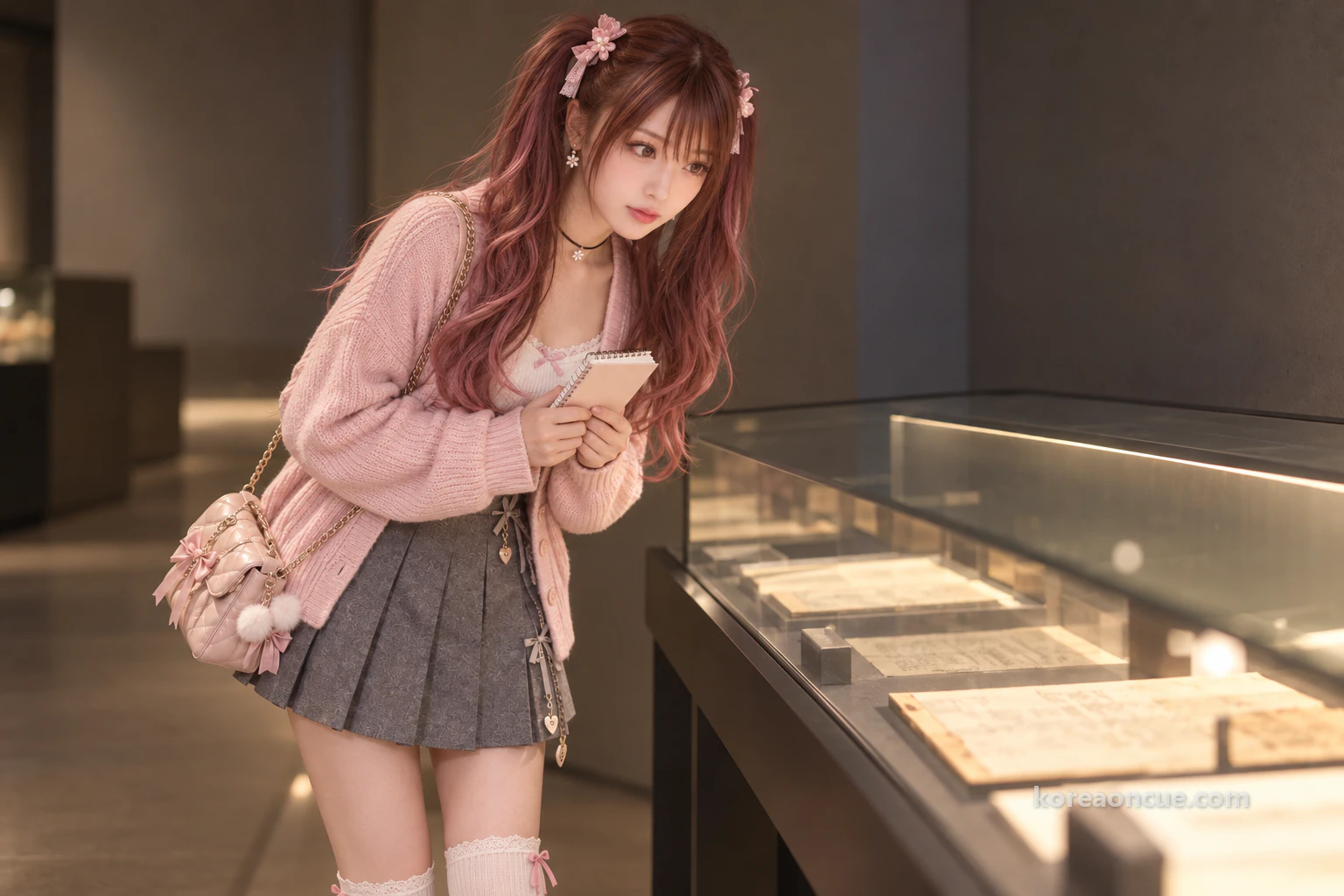
The Reception Room shows visits from public figures to Seoul and the city’s sister and friendship cities abroad. Gifts from cities overseas stand side by side in display cases. Looking at each gift, Hina first guesses which country it came from. It is a game she always plays at merchandise stands. The best part is not getting it right, but looking at each item longer while you guess.
The Mayor’s Office has a timeline of Seoul’s city government and an introduction to past mayors. A “Seoul Mayor’s Office experience” is in this room as well. Hina gazes for a while at the desk where the mayors sat and the shelves of documents for approval. The Former Mayor’s Office opens Tue–Sun 09:00–18:00 and closes on Mondays and public holidays. Remembering the 18:00 deadline, Hina walks a little faster.
The same floor has the Seoul Collection Room and the Seoul Archives Culture Hall. On the 3rd-floor guide, the Archives Culture Hall is in the area to the left, opposite the Former Mayor’s Office. The Seoul Collection Room holds publications, academic journals and periodicals from the city and related organisations. You can read them there, but you cannot borrow them. Glass cases display material on Seoul’s origins and history, and old books such as collections of laws and cases. If you want to know Seoul in depth, it is worth seeing alongside the Former Mayor’s Office.
The World Collection Room on the 4th floor: books and crafts from embassies and cultural centres of 60 countries
The World Collection Room on the 4th floor is a particularly welcome room for foreign visitors to Seoul. Every bookcase holds original books in many languages. The Korea Collections, a set of materials introducing Korea, is in this room too. There are also materials donated by embassies and cultural centres, and overseas publications. The reading room has 34 seats, so it is a good place to settle in and read slowly.

This room also displays books and crafts donated by the embassies and cultural centres of 60 countries. Books and periodicals donated by embassies cannot be borrowed, only read in the room. Hina passes slowly along the craft displays, each country different, and heads to the newspapers and magazines. There are 14 newspapers and 46 magazines from East and West, so choosing is part of the fun. For someone who promotes shows, the magazine covers are the best lesson in the room.
Turning the magazine covers one by one, Hina soon has her work eyes on. She compares the size of the title lettering and where each photo is cropped. She counts on her fingers how many colours each cover uses. Each country grabs attention in a slightly different way. Hina writes one idea for her next show poster in the corner of her notepad, then takes the stairs down to the 2nd floor at 17:30.
The Digital Room on the 2nd floor: generative AI seats for two hours a day, best early in the afternoon
The last of today’s 18:00 rooms is the Digital Room on the 2nd floor. It has seats for generative AI, using paid subscription services. You can use ChatGPT, Gemini, Perplexity and Canva. Seats cannot be booked in advance, only by people who come to the library that day. Each person can use a seat for two hours a day.
Hina often makes poster drafts at work, so the name Canva catches her eye first. But she has 30 minutes left, and this room closes at 18:00. To use the full two hours, she would need to sit down by 16:00 at the latest. A little sorry, Hina moves this seat to the first slot of her next visit’s timetable. If you want an AI seat, come early in the afternoon and go to the Digital Room first.
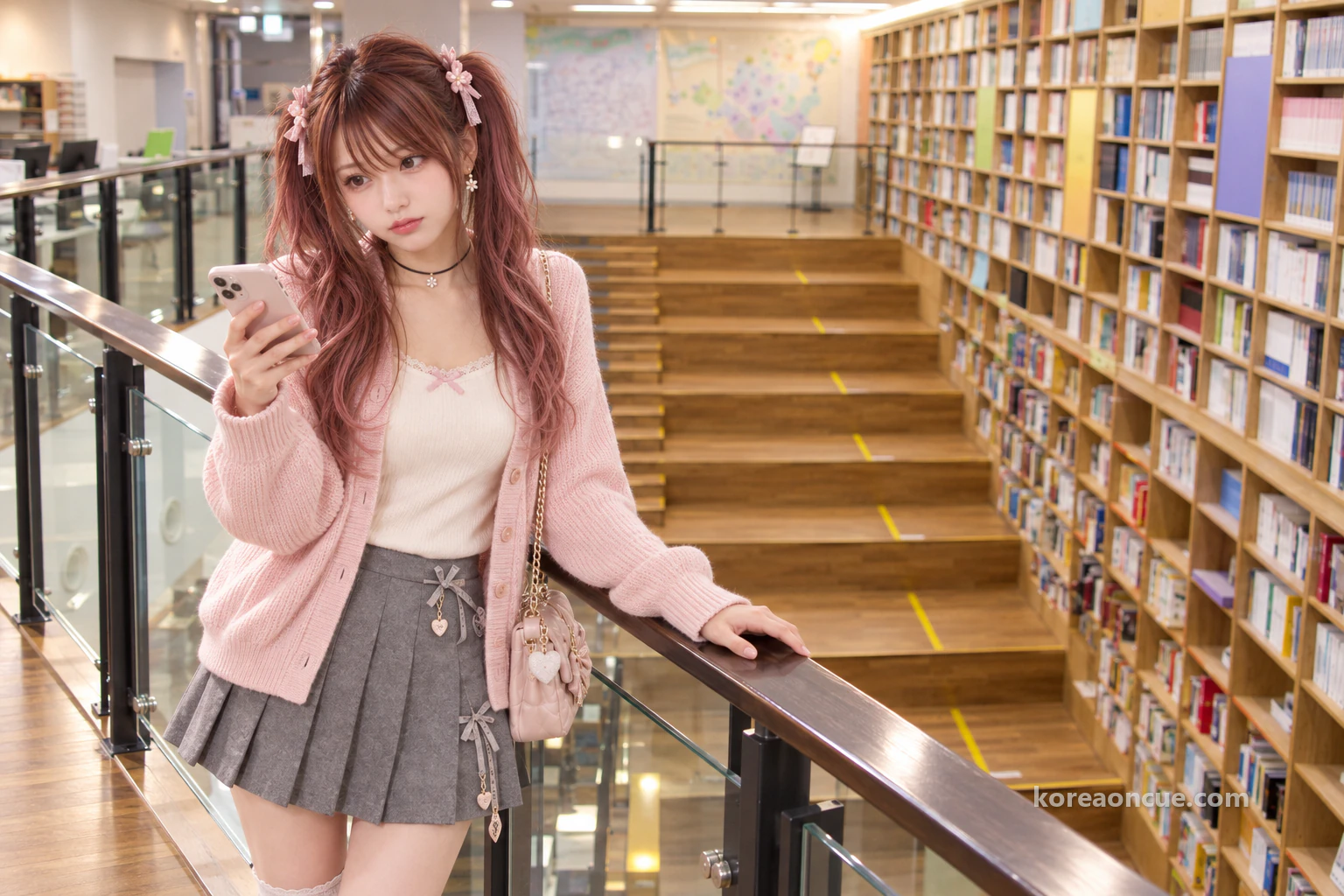
The 2nd floor also has the periodicals corner, membership registration and the central information desk. The 2nd-floor information desk is where you borrow a charger and get the key for the 1st-floor lockers. If you are not sure where to do what on your first visit, look for the 2nd-floor information desk first. Hina plugs her phone into the borrowed charger and crosses out “18:00” in her notepad. If she had started on the 1st floor, she would be standing at the 4th-floor door right now, watching the clock.
What stays open after 6 pm: General Collection Rooms 1 and 2 and the 1st-floor lobby lockers
After 18:00, General Collection Rooms 1 and 2 on the 1st and 2nd floors stay open. They are open until 9 pm from Tuesday to Friday. The 1st-floor lobby lockers can also be used until 21:00 on weekdays. The 3rd- and 4th-floor rooms, the Former Mayor’s Office and the 2nd-floor Digital Room all close by now. So if you want to stay after 6 pm, spend your time on the 1st and 2nd floors.
Hina rewrites the remaining slots under “21:00” in her notepad. Every room that closes at 18:00 is done, from the Former Mayor’s Office on the 3rd floor to the Digital Room on the 2nd. Two slots are left: the General Collection Rooms on the 1st and 2nd floors, and the 1st-floor lobby lockers. Both end at the same 21:00, so this is the easiest part of today’s sums. Leaving her coat in the locker, Hina walks lightly in among the shelves of General Collection Room 2 on the 2nd floor.

One room on the 1st floor also closes earlier, at 18:00. It is the Disability Room, with braille books, sign-language videos and audiobooks. People with disabilities and older people aged 65 and over can read and borrow these alternative formats. If someone travelling with you needs them, visit the 1st floor before 18:00. Hina copies this room’s name into the afternoon slot of her next visit’s timetable too.
Saenggakmaru and the General Collection Rooms on the 1st and 2nd floors: seats for reading until 9 pm
The best place to spend the evening is Saenggakmaru, across the 1st and 2nd floors. It is a space made by opening up the General Collection Room between the 1st and 2nd floors. A tall wall of shelves full of books stands beside broad wooden steps for sitting. Architect Yoo Kerl designed the wall shelves along the inside of the library’s façade, the front of the building. From the wooden steps on the 1st floor, the wall of books seems to rise all the way to the ceiling.
Usually, Saenggakmaru is a reading lounge where friends and families gather to read and rest. At times, it becomes an open plaza for debates, concerts and talks. Hina comes down from the 2nd floor and sits at one side of the wooden steps, watching people choose their spots. People on their own and people in pairs each find a step that suits them. To Hina, it is like an auditorium waiting quietly before a show begins.

The shelves are divided by subject on each floor. The 1st floor has children’s books, general works, philosophy, religion, social sciences, natural sciences and technology. The 2nd floor has children’s books in foreign languages, the arts, language, literature and history. Hina runs her eyes slowly along the spines in the 2nd-floor arts section, picks two books and brings them down to the steps. Decide on a subject first, and you know at once whether to go to the 1st or the 2nd floor.
The General Collection Rooms have 72 reading seats in all, 4 of them for disabled users. To find a book, use one of the 8 search PCs, and there are 2 copiers. There are also 6 self-service loan and return machines, but only full and associate members of Seoul Metropolitan Library can borrow books. Without a library card, Hina is happy just to read her books on Saenggakmaru. Between chapters, she opens her notepad and writes tomorrow backwards, from the show’s start time to the time she must leave her accommodation.
Weekday evenings or weekends: when to go, and Monday closures
What you can see at Seoul Metropolitan Library depends on whether you go on a weekday or at the weekend. On weekday evenings (Tue–Fri), General Collection Rooms 1 and 2 open until 21:00, and the 1st-floor lobby lockers can be used until then too. But the 3rd- and 4th-floor rooms, the Former Mayor’s Office and the Digital Room close at 18:00 even on weekdays. So to see every floor, come in the afternoon and start at the top. If you only plan to read on Saenggakmaru, arrive after 6 pm and you still have three hours.
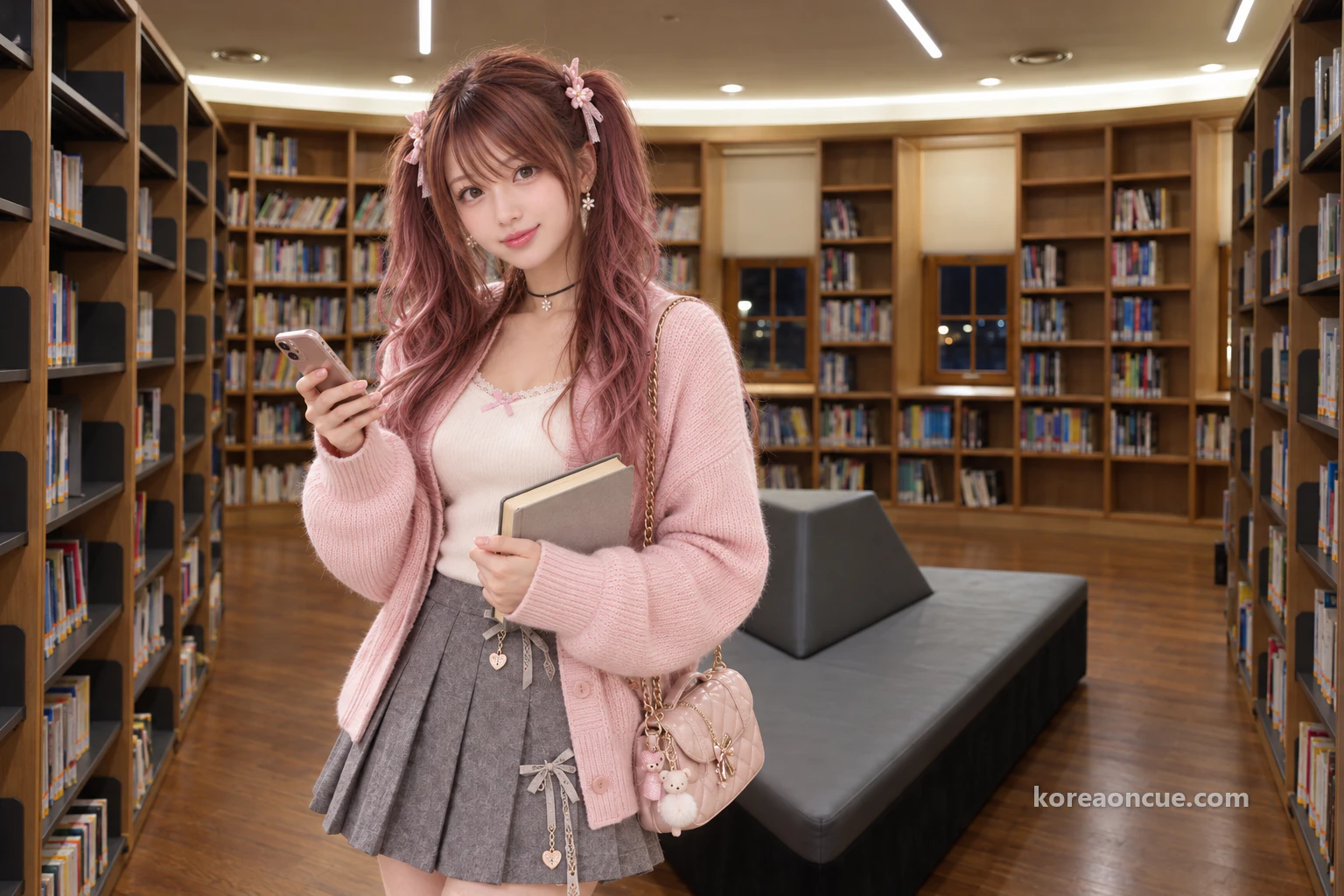
At weekends (Sat–Sun), every room closes at 18:00. The 1st-floor lobby lockers are open until 18:00 at weekends too, so you need to collect your things earlier as well. For a weekend visit, go around lunchtime rather than late afternoon, and give the 3rd and 4th floors plenty of time. Working from the top floor down still works at weekends. Just remember that everything ends at 18:00, right down to the last slot, Saenggakmaru.
Check the closed days before you plan your day. Seoul Metropolitan Library is closed every Monday. It also closes on public holidays except Sundays and on temporary holidays set by the government. This November, the 2nd, 9th, 16th, 23rd and 30th are Mondays, so the library is closed on those days. It also closes on other days the director sets, with notice in advance, so check the library’s notices once before you go.
There is one more thing on the 22nd of each month. If the 22nd falls on a Tuesday to Friday, the library opens 09:00–20:00 only, for “Lights Off Day”. This year, 22 November is a Sunday, so these shorter hours do not apply. 22 December is a Tuesday, so the library closes at 20:00 that day. If you plan to go at the end of the year, avoid that date or go a little earlier.
Leaving the old building at 9 pm: a timetable upside down, sent to Noah
As 21:00 draws near, Hina returns the charger to the 2nd-floor information desk. She takes her coat from the 1st-floor locker, puts it on, closes the empty locker and steps out of the main entrance. After a few steps towards Seoul Plaza, Hina looks back. The stone building from 1926 stands quietly under the night sky. She first looked up at it at half past three, and she has spent more than five hours inside.
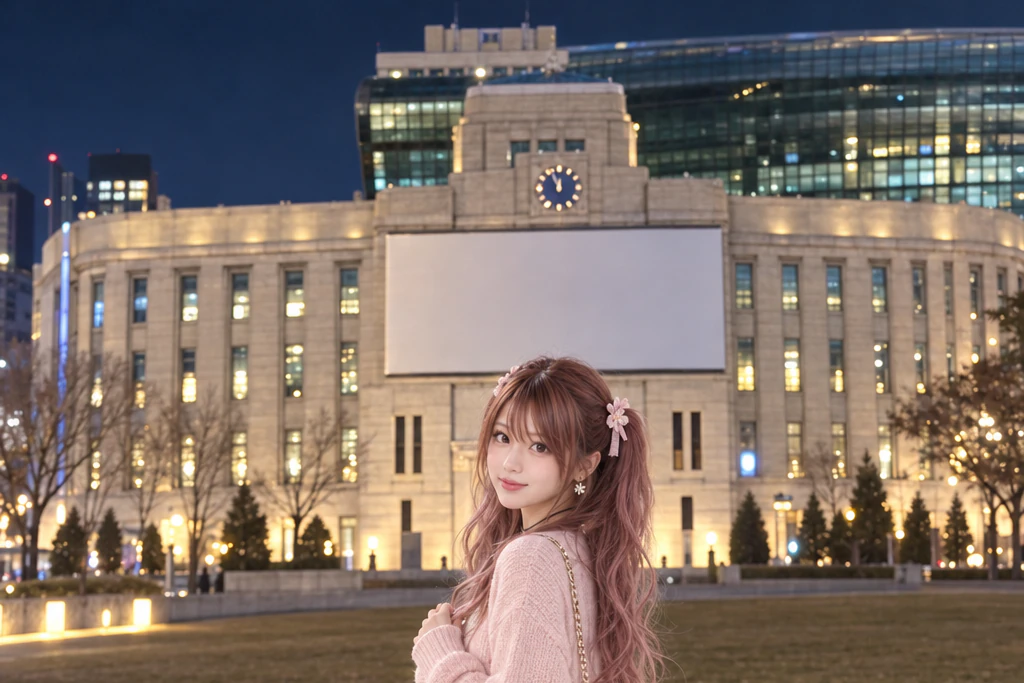
Hina takes a photo of the page she drew today and sends it to Noah. Under 18:00 and 21:00 at the top, it is a timetable stacked upside down, from the 4th floor to the 1st. Her message is a single line: “Today the closing times were my showtimes. I came down from the top.” Noah’s reply comes quickly. “First time I’ve seen a map with the floors upside down.”
Walking towards City Hall Station Exit 5, Hina closes her notepad. There is still a night and a day before tomorrow evening’s show. Next time she comes to Seoul, she plans to arrive early in the afternoon, take an AI seat in the Digital Room first, and make a poster draft in Canva. To use the full two hours, the first slot of her next timetable has to be before 16:00. Finding herself already working that out, Hina laughs quietly to herself.
Common Mistakes
Not going in because you have no library card
anyone who wants to read the library’s materials can use it. Only some services, such as loans, reservations and the closed stacks, are for members.
Starting on the 1st floor and running past 6 pm
the Former Mayor’s Office and Seoul Collection Room (3rd floor), the World Collection Room (4th floor) and the Digital Room (2nd floor) close at 18:00 Tue–Sun. If you arrive in the afternoon, start at the top.
Going on a Monday
the library is closed every Monday, and on public holidays except Sundays.
Expecting it to open until 9 pm at the weekend
the 21:00 closing applies to General Collection Rooms 1 and 2, Tue–Fri. On Sat–Sun, everything closes at 18:00.
Driving
parking is very limited. Use City Hall Station Exit 5 or a nearby bus stop.
FAQ
Which station and exit should I use?
City Hall Station (Lines 1 and 2) Exit 5. The address is 110 Sejong-daero, Jung-gu, Seoul, in the old Seoul City Hall building on Seoul Plaza.
Can I go in without a library card?
Yes. Anyone who wants to read the library’s materials can use it. Loans, reservations and the closed stacks are for Seoul Metropolitan Library members only.
What time does it close?
General Collection Rooms 1 and 2 open Tue–Fri 09:00–21:00 and Sat–Sun 09:00–18:00. The Digital, Disability, World Collection and Seoul Collection Rooms and the Former Mayor’s Office on the 3rd floor open Tue–Sun 09:00–18:00.
When is it closed?
Every Monday, on public holidays except Sundays, and on temporary holidays. If the 22nd of the month falls Tue–Fri, it opens 09:00–20:00 only, for “Lights Off Day”.
Is there Wi-Fi, and can I charge my phone?
Free Wi-Fi “Seoul” works anywhere in the library. You can borrow a charger at the 2nd-floor information desk.
Can I leave my bags?
There are 53 lockers in the 1st-floor lobby (until 21:00 on weekdays and 18:00 at weekends) and 20 in the World Collection Room on the 4th floor. Get the key from the information desk in the 2nd-floor corridor.
Recap — 30 seconds before you go
- City Hall Station (Lines 1 and 2) Exit 5 → Seoul Metropolitan Library (110 Sejong-daero, Jung-gu, the old Seoul City Hall).
- Closed Mondays · General Collection Rooms Tue–Fri 09:00–21:00, Sat–Sun 09:00–18:00.
- The 3rd and 4th floors, the Digital Room and the Former Mayor’s Office close at 18:00 Tue–Sun — if you arrive in the afternoon, start at the top.
- What to see: the Former Mayor’s Office (3rd floor) · the World Collection Room, with books and crafts from 60 countries (4th floor) · Saenggakmaru (1st and 2nd floors).
- No library card needed to read · free Wi-Fi “Seoul” · chargers at the 2nd-floor information desk.
Sources
- Seoul Metropolitan Library — DirectionsAddress: 110 Sejong-daero, Jung-gu, Seoul · City Hall Station Exit 5, Lines 1 and 2 · buses at the Seoul Plaza (172, 405, 472, N62, N73), Sicheong-ap·Deoksugung and City Hall Station stops · stops for airport buses 6005, 6701 and N6701 · limited parking and a request to use public transport · parking 1,000 won per 10 minutes (weekdays 09:00–18:00) · no entry for vehicles over 2.3 mchecked 2026-10-28
- Seoul Metropolitan Library — Opening hoursOpen to anyone who wants to read library materials · loans, reservations and closed stacks for members only · General Collection Rooms 1 and 2: Tue–Fri 09:00–21:00, Sat–Sun 09:00–18:00 · Digital, Disability, World Collection and Seoul Collection Rooms 09:00–18:00 · closed every Monday and on public holidays except Sundays and on temporary holidays · on the 22nd of the month, if it falls Tue–Fri, “Lights Off Day” hours of 09:00–20:00checked 2026-10-28
- Seoul Metropolitan Library — Facilities and equipmentLockers (53 in the 1st-floor lobby, until 21:00 on weekdays and 18:00 at weekends, 20 in the 4th-floor World Collection Room, keys from the 2nd-floor information desk) · free Wi-Fi “Seoul” · charger loans at the 2nd-floor information desk · two internet PCs in the 1st-floor lobby, 30 minutes without membership · copy, print and scan fees and payment methodschecked 2026-10-28
- Seoul Metropolitan Library — General information (facilities)Completed in 1926, Registered Cultural Heritage No. 52 (June 2003) · the former City Hall reborn as a library for citizens · facilities by floorchecked 2026-10-28
- Seoul Metropolitan Library — Former Mayor’s OfficeOffice used by Seoul’s mayors for some 60 years from Liberation until May 2008 · at the very centre of the 3rd floor · office furniture and equipment recreated · Mayor’s Office 61 m², Reception Room 64 m², Planning Situation Room 130 m² (255.3 m²) · exhibitions in each room · Tue–Sun 09:00–18:00, closed Mondays and public holidayschecked 2026-10-28
- Seoul Metropolitan Library — General Collection Room (Saenggakmaru)Wall shelves designed by architect Yoo Kerl along the inside of the façade, and the wooden Saenggakmaru · a reading lounge and an open plaza for events · 72 reading seats (4 for disabled users) · search PCs, copiers and self-service loan machines · subjects arranged across the 1st and 2nd floors · loans for full and associate memberschecked 2026-10-28
- Seoul Metropolitan Library — World Collection RoomForeign-language books, the Korea Collections, materials donated by embassies and cultural centres and overseas periodicals · display of books and crafts donated by embassies and cultural centres of 60 countries · 14 newspapers and 46 magazines · 34 reading seats · embassy donations for reading on site onlychecked 2026-10-28
- Seoul Metropolitan Library — Digital RoomSeats for generative AI (paid subscription services) · ChatGPT, Gemini, Perplexity and Canva · seats reserved only by same-day visitors · two hours a daychecked 2026-10-28
A Seoul story told with our AI characters. Place details are checked against public sources; the photos are AI-made illustrative images. How we use AI
More from this area
Seoul at 1/1500: Noah looks down on the whole city for the first time, one evening at the Seoul Museum of History
Noah’s notebook holds plenty of maps of Seoul neighbourhoods, but he has never joined them together.
Rina walks Gyeonghuigung on a late-autumn afternoon, six boxes from Heunghwamun to Seoam
At Changdeokgung, Rina learned the name “Eastern Palace”, and she has wondered ever since about its partner, the “Western Palace”.